
Fear and the Unforeseen
The Plot Against AmericaThe narrative repeatedly shows how uncertainty transforms ordinary events into threats and changes the family’s understanding of history.
increasing Bearing strength in each event
 decreasing
Bearing strength in each eventdecreasingA Child’s Secure Scale
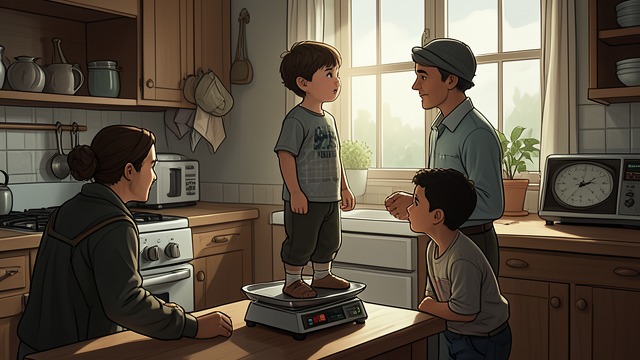
A Child’s Secure Scale
Familiar measures
Philip understands the world through family routines, neighborhood streets, school, and stamps.
His parents’ care makes large political events seem distant and manageable.
Security begins to erode
That dependable scale will not survive Lindbergh’s nomination.
The Convention Awakening
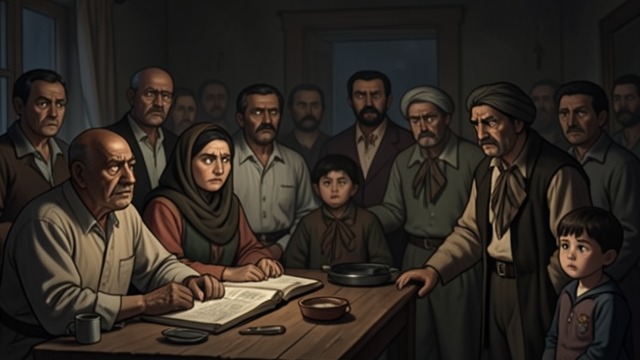
The Convention Awakening
A sudden alarm
The news that Charles A. Lindbergh has been nominated wakes Philip and his family in the night.
Adults gather outside in anger, and Philip witnesses fear becoming a shared neighborhood experience.
A child’s political education
He learns that the country can threaten the security it once seemed to guarantee.
Fear Becomes Habit

Fear Becomes Habit
Daily vigilance
Philip begins to expect hostility in public spaces and interprets news through the possibility of danger.
The family continues school and work while privately preparing for worse outcomes.
A changed childhood
Fear is no longer an interruption; it has become part of ordinary perception.
The Crisis of the Unknown
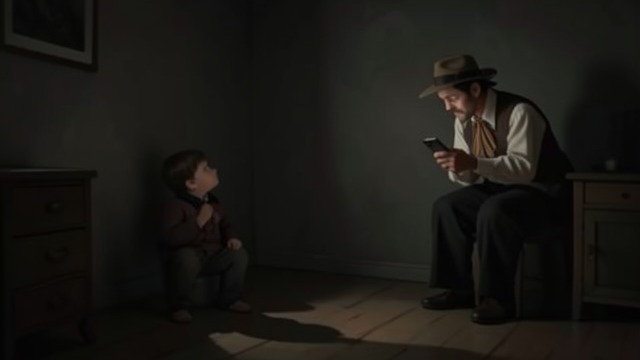
The Crisis of the Unknown
Events outrun explanation
Lindbergh disappears, martial law begins, and the family cannot learn where Herman and Sandy are.
Philip’s imagination fills the gaps with kidnapping, war, and death.
Uncertainty as pressure
Not knowing becomes as frightening as the violence itself.
Fear Without Recovery
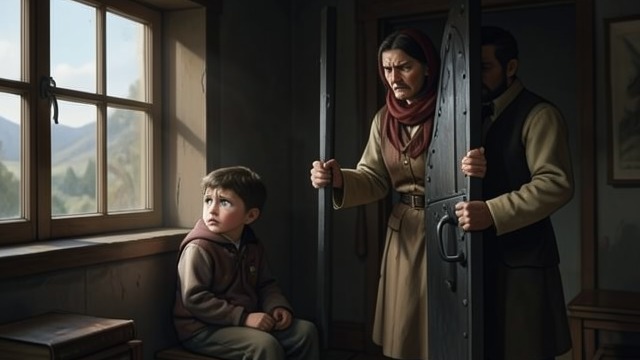
Fear Without Recovery
Safety returns imperfectly
Constitutional government is restored, but Philip cannot regain his earlier confidence in protection.
The family’s ordeal has made uncertainty permanent in his memory.
A lasting insight
History appears inevitable only after its unexpected events have already happened.
before June 1940
June 28, 1940
1941
October 1942
near the ending
